Trimmings
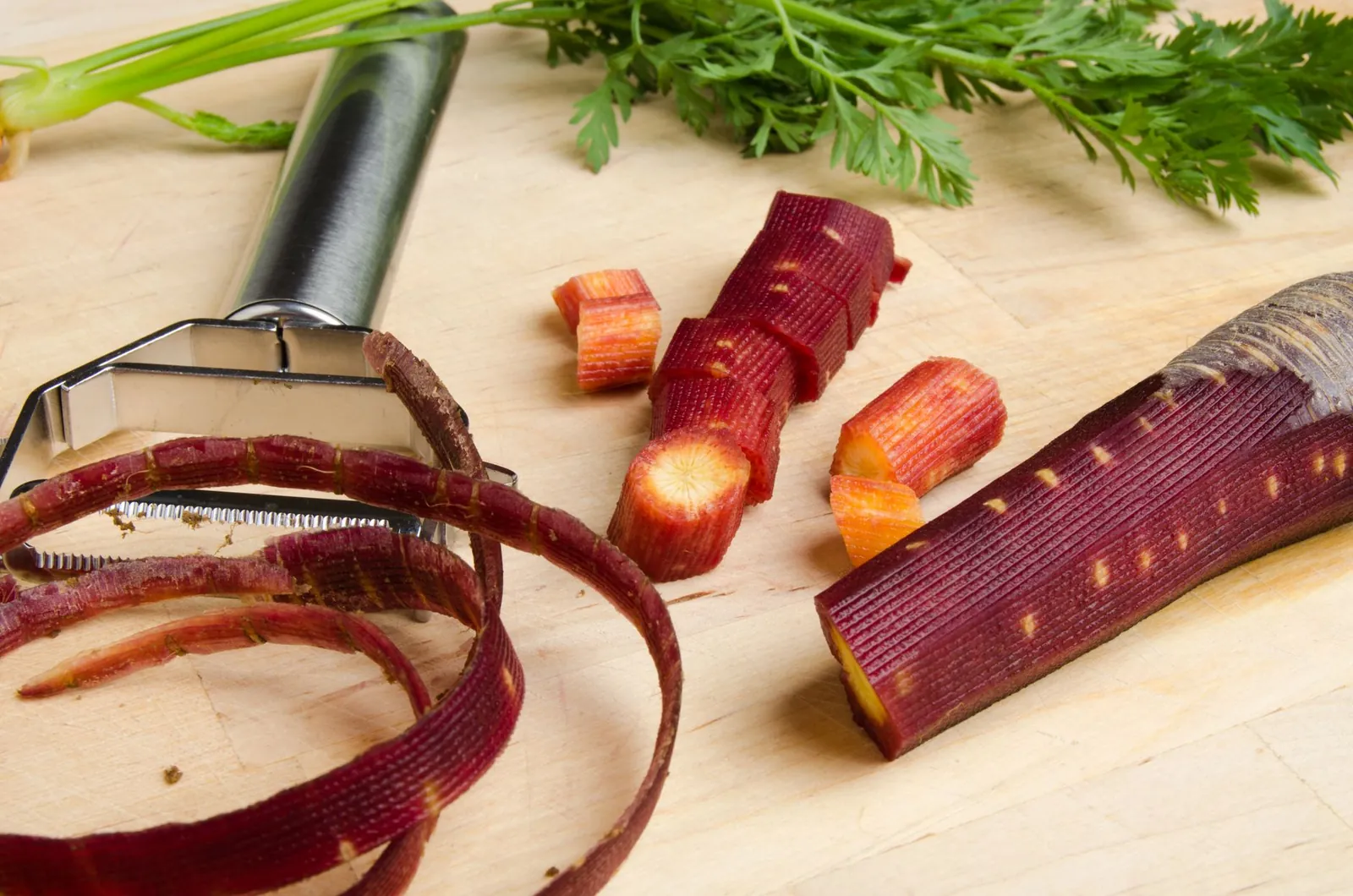
A scrap bag for stock
Keep a bag in the freezer, feed it your onion ends, carrot peels and herb stalks, and turn a week of trimmings into a pot of stock that would otherwise have been binned.
Read the guideA resourceful kitchen notebook about getting more from the same shop. Turn trimmings into stock, tired vegetables back into dinner, and the true scraps into something the garden can use. Less thrown away, more actually eaten.
Most food waste at home is quiet and ordinary. It is the carrot tops thrown out with the peel, the broccoli stalk left on the board, the half-bag of spinach that went soft at the back of the fridge, the roast chicken carcass that goes straight in the bin instead of into a pot. None of it feels like much on its own. Added up across a year, it is a startling amount of good food — and money — walking out to the kerb.
The No-Waste Kitchen is written around a plain idea: buy the same things you already buy, then use more of each one. Nothing here asks you to forage, ferment for a fortnight, or keep a spreadsheet. It is the ordinary business of cooking, tilted a few degrees toward thrift — trimmings saved for stock, stalks cooked instead of skipped, a plan that finishes the fridge before the next shop.
They run roughly in order, from the first thing you trim off to the very last thing left over. Read them in sequence or dip into whichever your kitchen needs most this week.
Keep a bag in the freezer, feed it your onion ends, carrot peels and herb stalks, and turn a week of trimmings into a pot of stock that would otherwise have been binned.
Read the guide
Broccoli stalks, celery leaves, beet greens and carrot tops are food, not trim. How to cook the parts most of us throw away, and which ones are worth keeping.
Read the guide
Wilted greens, bendy carrots and soft celery are usually not gone — just thirsty. Simple ways to bring tired produce back to life before you give up on it.
Read the guide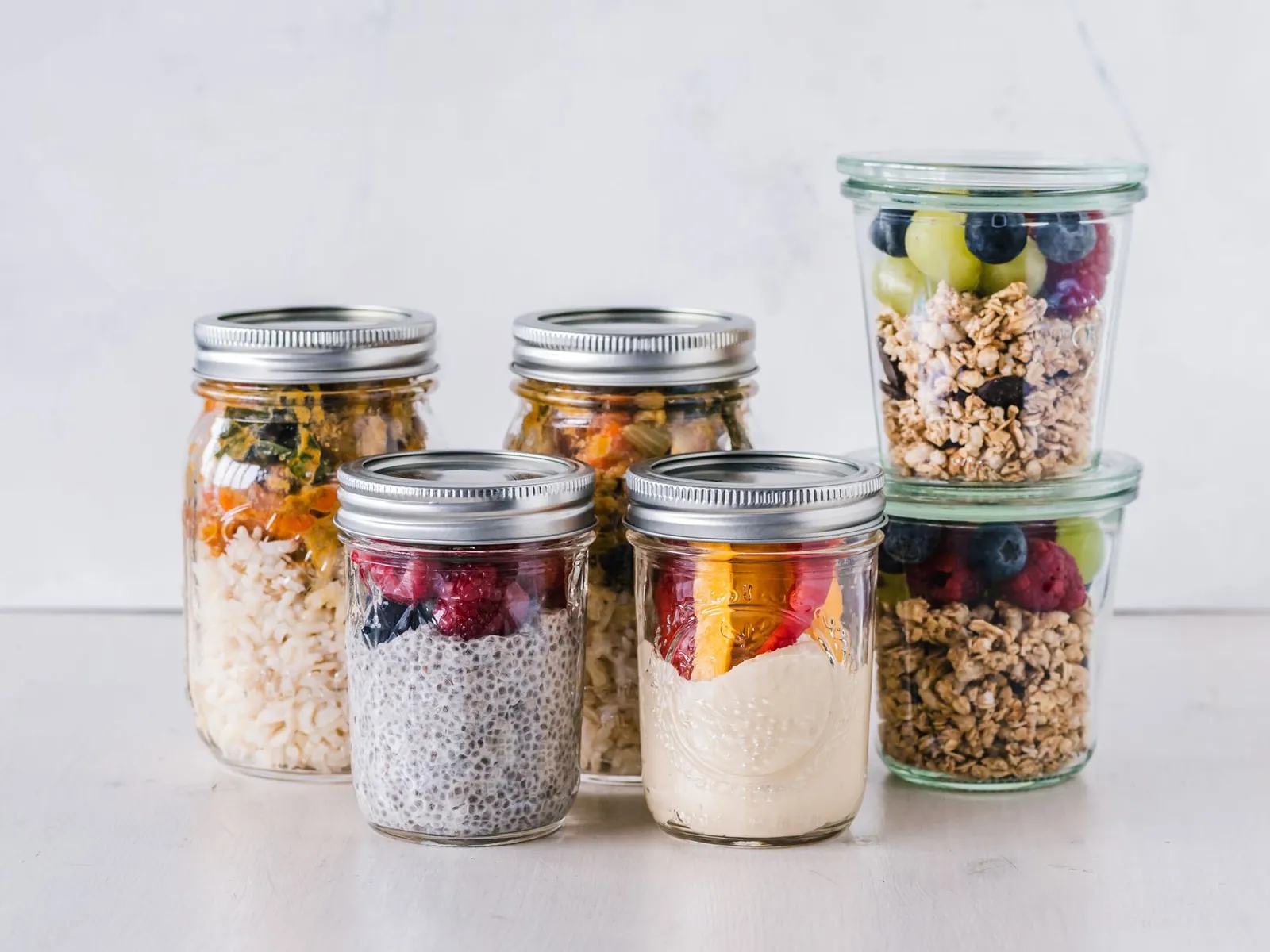
Half of home waste is food that spoiled before anyone ate it. Where things actually keep best, what hates the fridge, and how to stop the crisper drawer becoming a graveyard.
Read the guide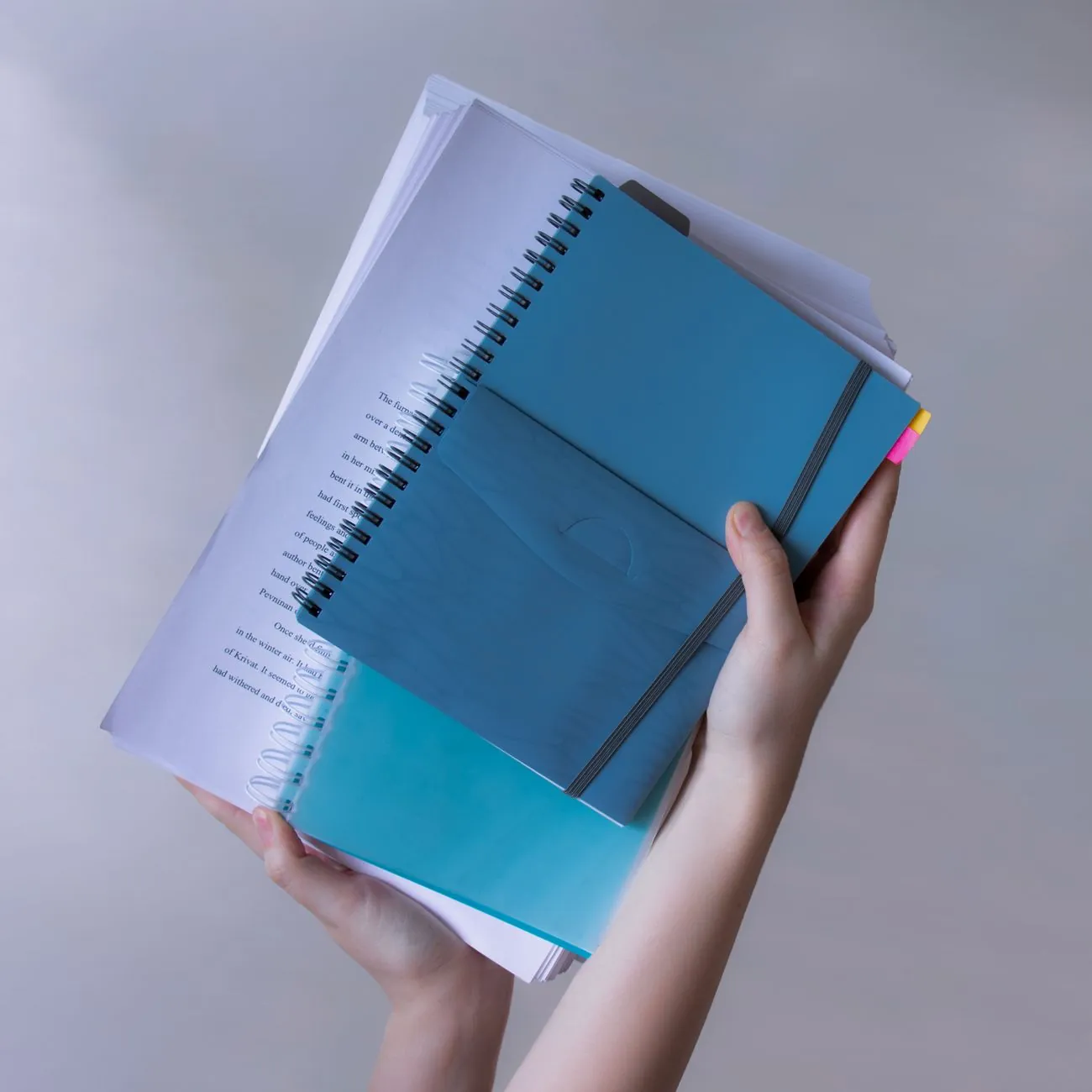
The biggest waste-saver isn't a technique, it's a plan. A loose weekly rhythm that shops for what you'll cook, cooks what you bought, and finishes the fridge before the next trip.
Read the guide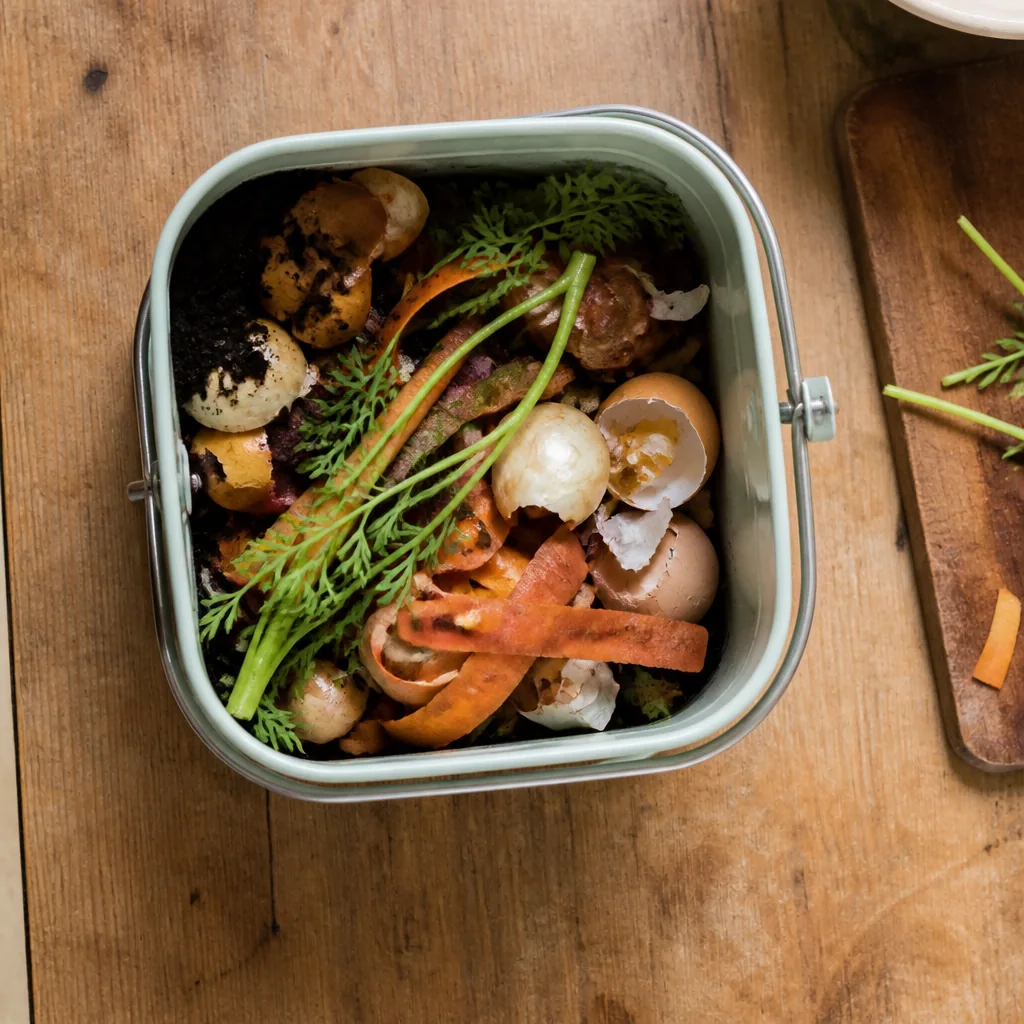
Some scraps can't be eaten, and that's fine — they can still feed the soil instead of a landfill. A gentle start to composting, even from a flat with a balcony.
Read the guideKeep a container in the freezer and drop clean vegetable ends into it as you cook. When it's full you have the makings of stock — no extra shopping, no extra effort.
Stalks, leaves and tops are usually the freest food in the kitchen. Before you reach for the compost caddy, ask whether the part in your hand could go in the pan instead.
Before the next shop, cook a meal from what's already there. A "use-it-up" night once a week clears the odds and ends before they turn, and it's often the best dinner of the lot.
“There is no such thing as a vegetable scrap, only a part you haven't found a use for yet.”The No-Waste Kitchen